On Gardening: Birds love peanut butter, just like you

http://www.idahostatesman.com/2013/02/07/2442324/on-gardening-birds-love-peanut.html?utm_source=feedburner&utm_medium=feed&utm_campaign=Feed%3A+IdahostatesmancomLife+%28IdahoStatesman.com+Life%29
By NORMAN WINTER — McClatchy-Tribune News Service

As the birds came darting and swooping into the feeders like aerial acrobats, the looks on the children’s faces were my reward.

We’ve just opened our bird feeding station at the Columbus Botanical Garden and I spent many hours wondering if the success I had with peanut butter logs in the Lower Rio Grande Valley could be duplicated in Georgia. The answer is an unequivocal yes, and the good news is you can do it can too!

We first designed our area with a 3-foot-tall thicket on the outer perimeter. This serves as a wonderful shelter for little birds needing extra protection. We installed three shallow water stations built from handmade glazed-clay saucers attached to 4-foot-tall log-like posts. The water is changed daily but will soon have a continuous drip. Water is an absolute in creating your backyard feeding station.

All of our feeders are attached to 8-foot-tall tree-like posts. We have black-oiled sunflower feeders that are drawing finches in epic proportions, as well as chickadees, but the peanut butter logs are doing their part too. They are bringing in warblers, woodpeckers, tufted titmice and more. It seems everyday new birds are finding our feeding area.

Everyone has their favorite recipes, including straight peanut butter, both crunchy and smooth.

If you are like most, you’ll gravitate to whatever peanut butter is on sale. We have chosen to mix ours with cornmeal and it has certainly proven to be a blend equal to the task.

Our peanut butter logs vary in size but are generally about 24 inches in length. Six, 3/4-inch wide holes were drilled a little less than an inch deep. These holes will later be filled with your peanut butter blend. Some of our feeders have also had little quarter inch holes drilled below the large ones so that branch like pieces of wood could be inserted for perches. We did not use these in Texas, but they have proven quite useful here in Georgia, as they seem to be in continual use.

While the feeders will do their part to get you, your children or grandchildren hooked, a pair of binoculars will be a tool that will forever change your world when it comes to birding. Once you begin watching their eyes, the rotating of their heads and their graceful motion in flight, seen close-up through the lens, you will be a different person.

While we have added a feeding station and expanded the world of birding to our area, we are a garden and first began by planting native plants that produce berries loved by birds. Native yaupon hollies, American hollies, dogwoods and beautyberry are found throughout our 25 acres as is my favorite the southern wax myrtle that has been documented to feed 40 species of birds.

No matter where you live you can bring the world of birding to your yard, a park or a nearby school both with feeders, birdbaths or fountains, and strong support from native plants. The birds will reward your efforts, and children who grow up watching and learning about these birds may become environmental heroes just like you.

(Norman Winter is executive director of the Columbus Botanical Garden, Columbus Ga., and author of “Tough-as-Nails Flowers for the South” and the highly acclaimed “Captivating Combinations Color and Style in the Garden.”)

Posted in In The Garden | Leave a comment

40 Alluring Perfume Bottle Design Showcase

http://creativecan.com/2012/02/perfume-bottle-design/
by SONNY on FEBRUARY 11, 2012

Of all the products, perfume has one of the most creative packaging and bottle designs. Simply because perfume is used to smell good and pleasing to other people. With that in mind, perfume marketing strategists more concerned than any other about the look of their perfume bottles. They have to look not only fragrant but also have to exude the feeling of being elegant, alluring, fresh, and delicious to name a few.

Here, we are sharing with you some of the most creative and beautiful perfume bottles which are inviting to the eyes and stimulating to the senses. These bottles do not just appeal to everybody’s personality but most of all set the mood for a delightful moment with everybody who happens to see them. Take a look and enjoy!


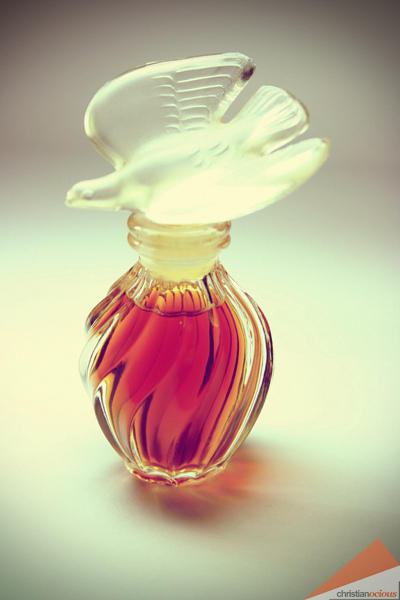
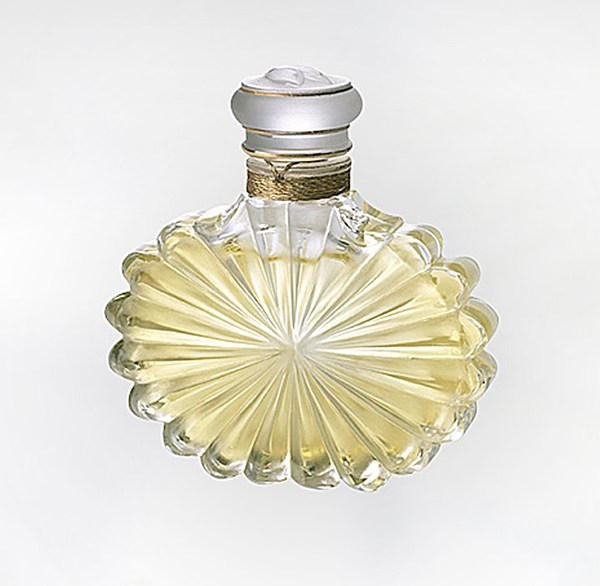
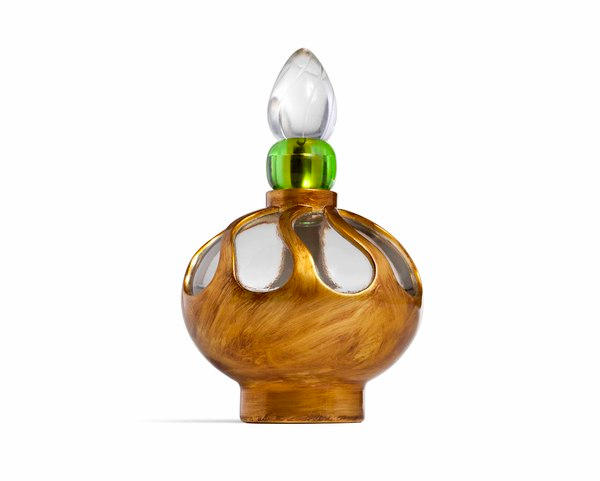
Nina Ricci – L’Air Du Temps

Nina Ricci - L'Air Du Temps

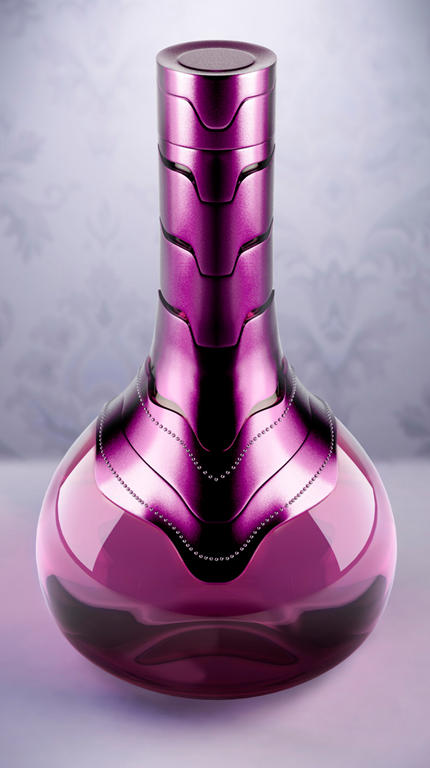
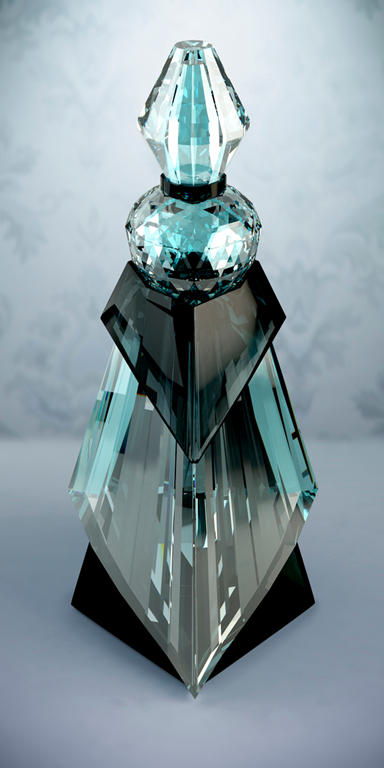
Perfume bottles by Camucada Coletivo

Perfume bottles by Camucada Coletivo

Perfume bottles by Camucada Coletivo

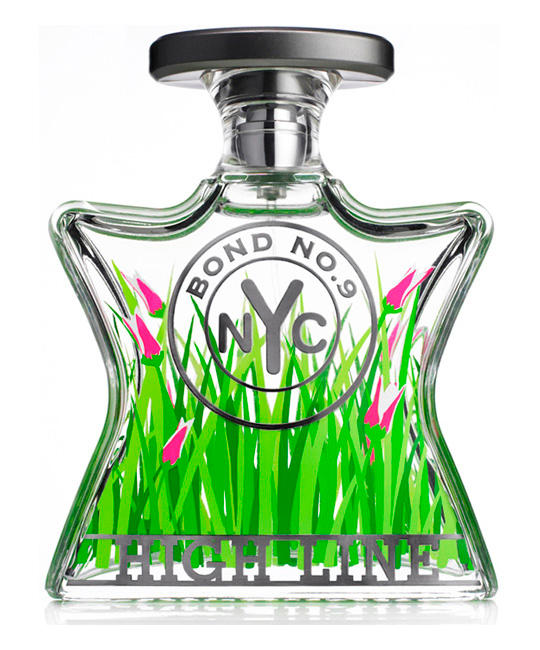
Bond No. 9

Bond No. 9

Hugo Boss by Khanillion

Hugo Boss by Khanillion

Perfume Bottle by echomah

Perfume Bottle by echomah

3-D Perfume Bottles by Kati Katsouris

3-D Perfume Bottles by Kati Katsouris

3-D Perfume Bottles by Kati Katsouris

3-D Perfume Bottles by Kati Katsouris

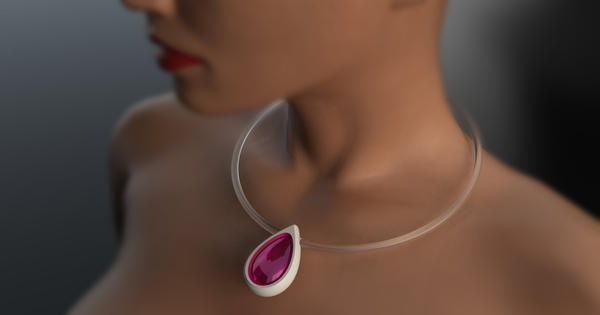
Perfume flacon as a jewellery by Alena Fajstova

Perfume flacon as a jewellery by Alena Fajstova

Perfume flacon as a jewellery by Alena Fajstova

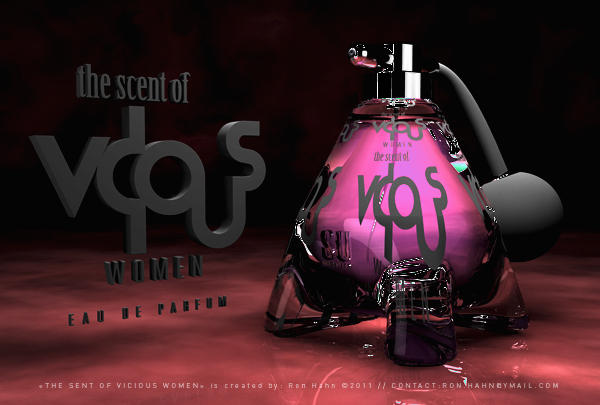
The Scent of Vicious Women by Ron Hahn

The Scent of Vicious Women by Ron Hahn

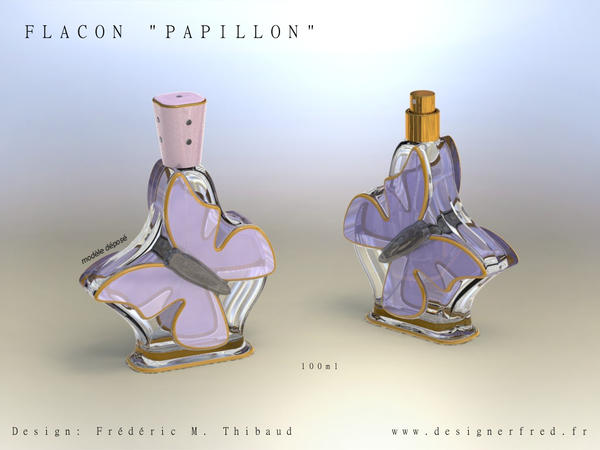
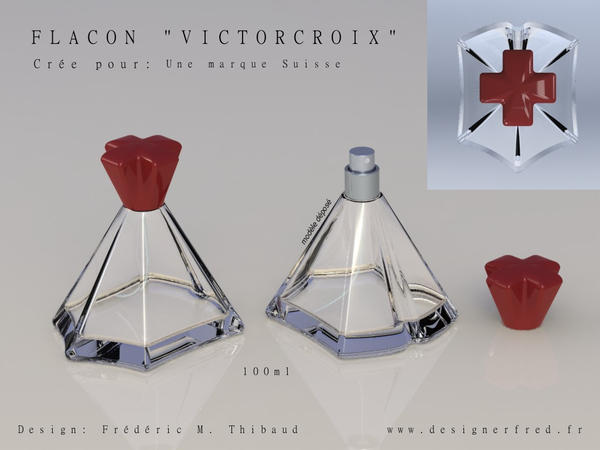
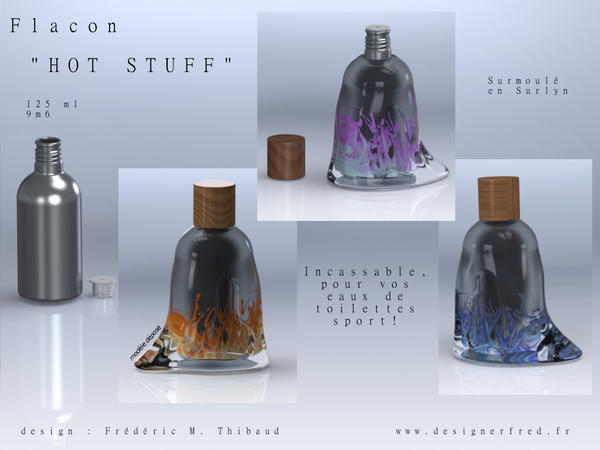
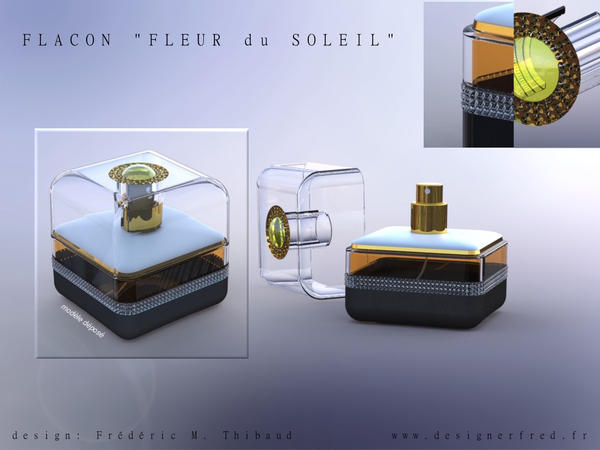
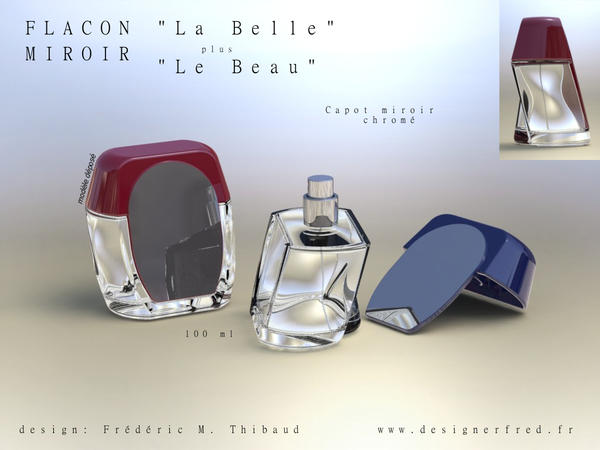
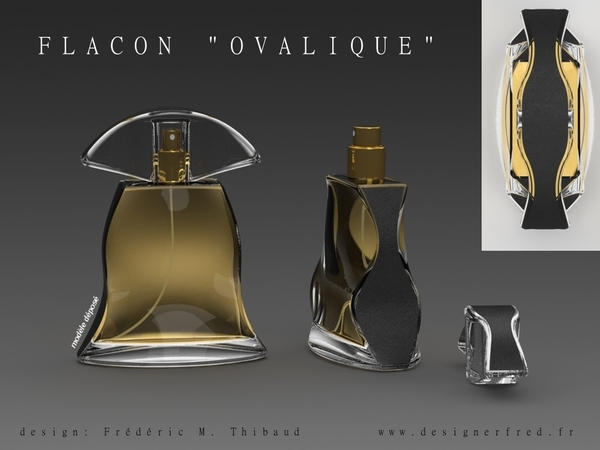
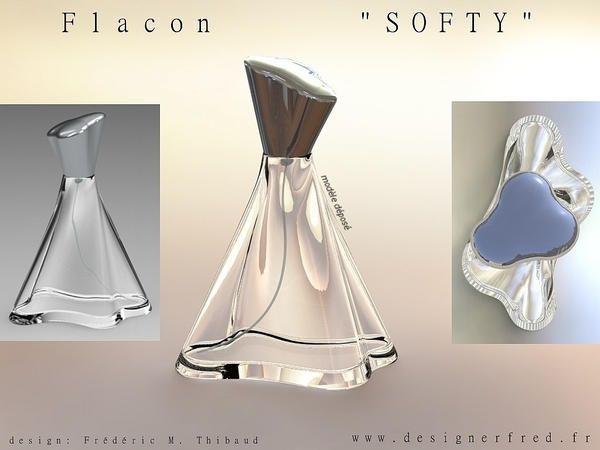
Perfume Bottle Design by Frederic Thibaud

Perfume Bottle Design by Frederic Thibaud

Perfume Bottle Design by Frederic Thibaud

Perfume Bottle Design by Frederic Thibaud

Perfume Bottle Design by Frederic Thibaud

Perfume Bottle Design by Frederic Thibaud

Perfume Bottle Design by Frederic Thibaud

Perfume Bottle Design by Frederic Thibaud

Perfume Bottle Design by Frederic Thibaud

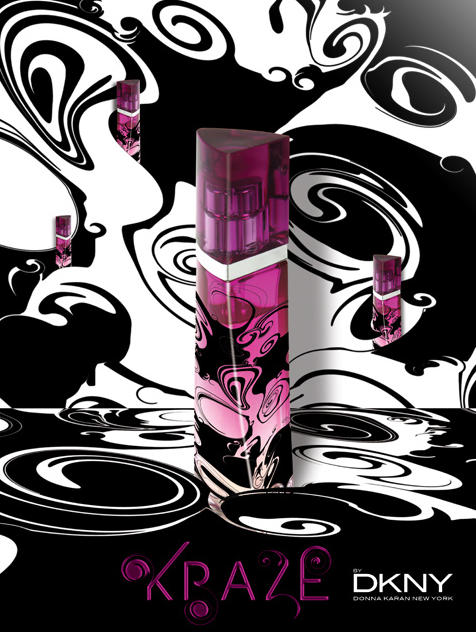
DKNY Kraze Perfume Concept by Fuel Designs

DKNY Kraze Perfume Concept by Fuel Designs

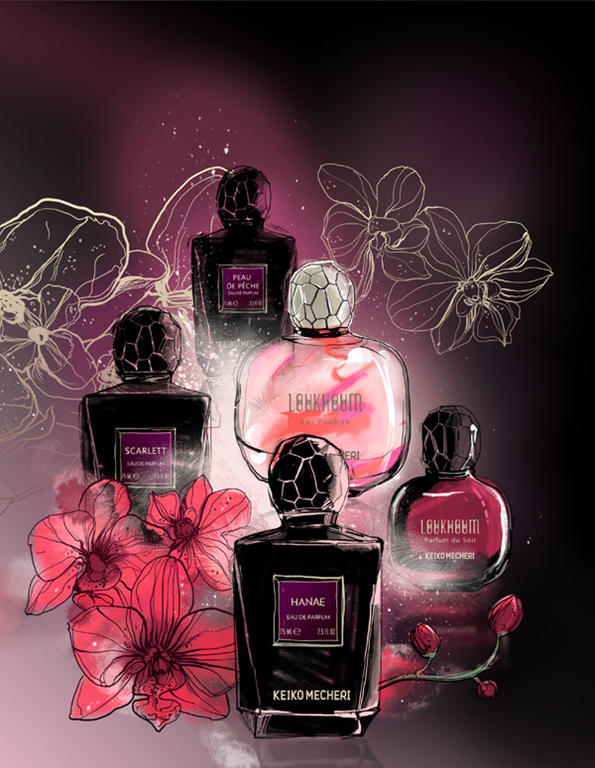
Keiko Mecheri perfume by Anna Ulyashina

Keiko Mecheri perfume by Anna Ulyashina

Perfume Bottle by Alissa Richardson

Perfume Bottle by Alissa Richardson

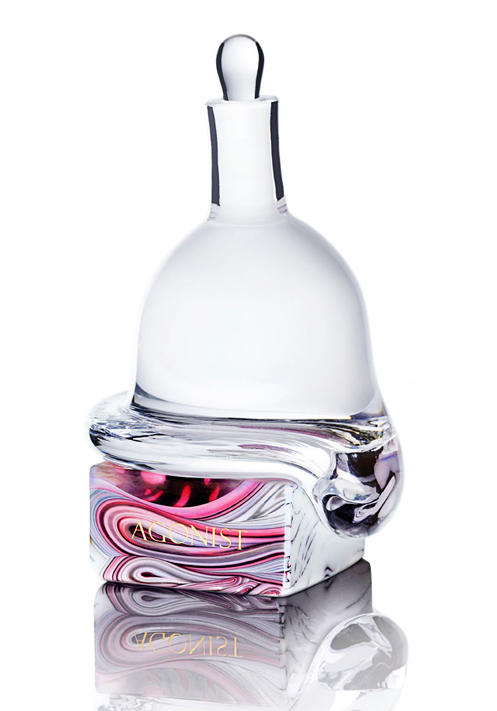
Agonist – Vanilla Marble by Åsa Jungnelius

Agonist – Vanilla Marble by Åsa Jungnelius

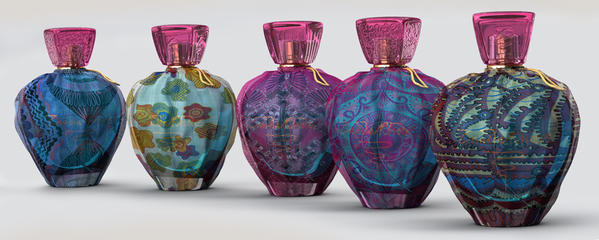
Zandra Rhodes EDT Early Concepts by Alan Tabrett

Zandra Rhodes EDT Early Concepts by Alan Tabrett

L’AIR DU TEMPS PERFUME BOTTLE by Laura Golden

L'AIR DU TEMPS PERFUME BOTTLE by Laura Golden

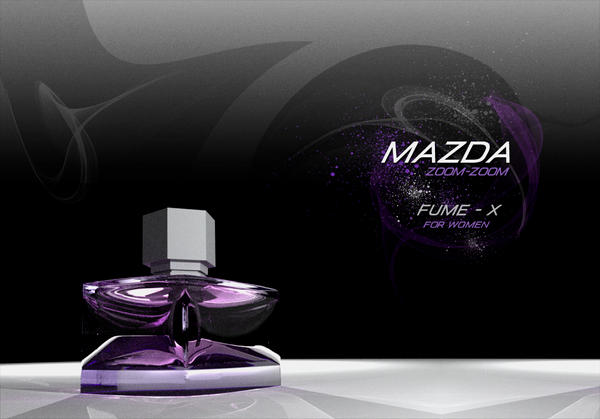
Fume XY by Roman Puchta

Fume XY by Roman Puchta

ELISEE Perfume Bottle by Klaus Rosburg

ELISEE Perfume Bottle by Klaus Rosburg

Sempre Perfume by Samantha Peek

Sempre Perfume by Samantha Peek

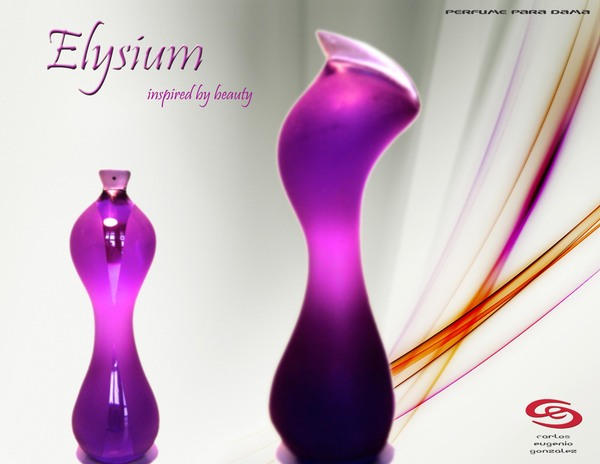
Elysium by Carlos Eugenio Gonzalez

Elysium by Carlos Eugenio Gonzalez

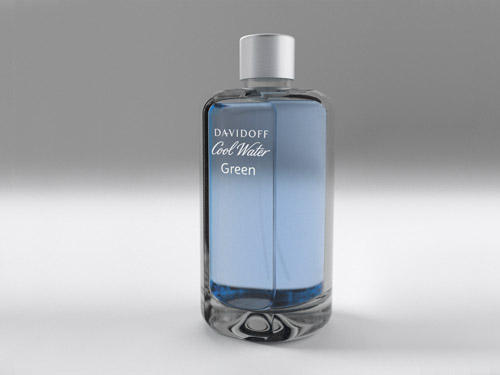
Davidoff Perfume Bottle by Cyrille Charier

Davidoff Perfume Bottle by Cyrille Charier

Perfume Bottle by Maria Jose Valdemar

Perfume Bottle by Maria Jose Valdemar

Perfume Packaging by Shah Mohammed

Perfume Packaging by Shah Mohammed

Luma by Satabdi Jena

Luma by Satabdi Jena

Luma by Satabdi Jena

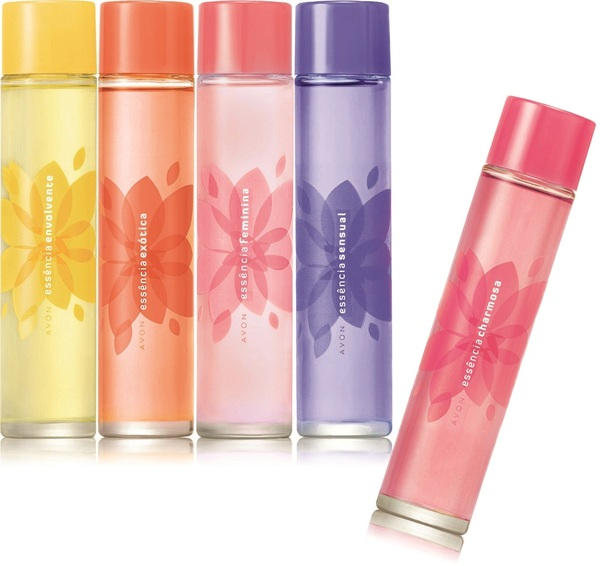
Avon – Essência by Poliana Feliconio

Avon – Essência by Poliana Feliconio

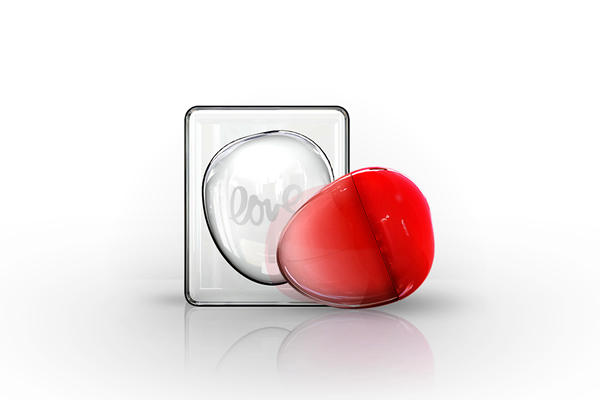
Love by Luis Vega

Love by Luis Vega

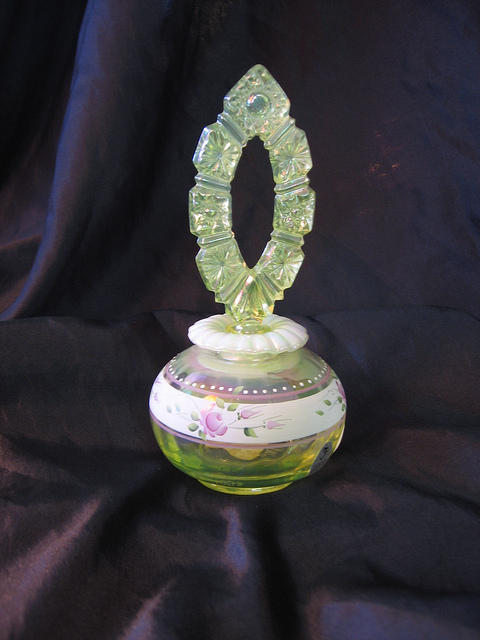
Fenton perfume bottle

Fenton perfume bottle

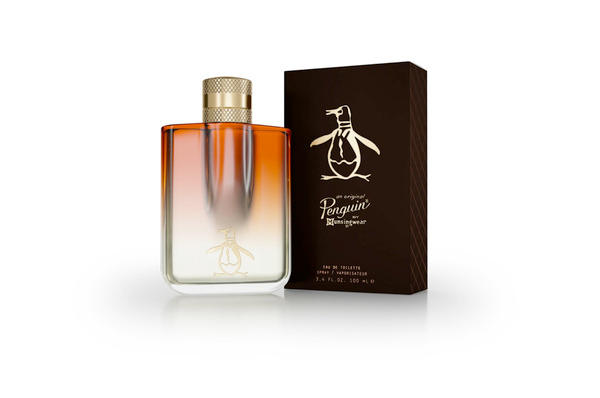
Original Penguin by Leandro Santiago

Original Penguin by Leandro Santiago

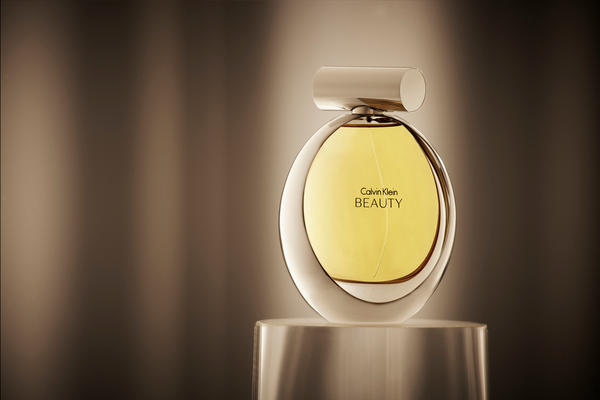
Calvin Klein Beauty by Carlos Beauchamp

Calvin Klein Beauty by Carlos Beauchamp

Fluid Perfume  by Jennifer Li

Fluid Perfume  by Jennifer Li

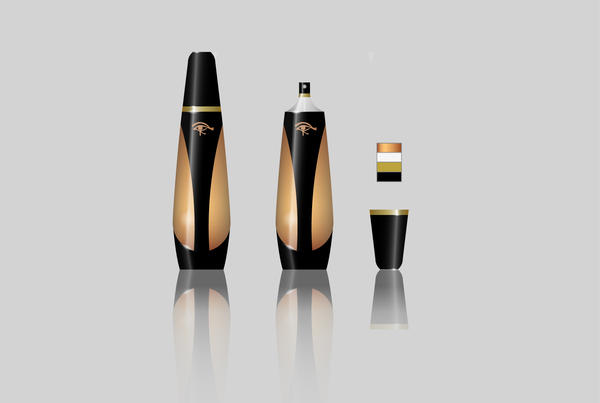
Cleopatra Perfume Bottle Design by Ricky Richards

Cleopatra Perfume Bottle Design by Ricky Richards

Posted in Perfumery | Leave a comment

Smell: 5 Future Technology Innovations from IBM

http://www.buzzfeed.com/h2/suad/ibm5in5/smell-5-future-technology-innovations-from-ibm-8hnh

In 5 years, computers will have a sense of smell.

Posted in Bizarre | Leave a comment

Exhibition Explores The Invisible Art Of Perfume Making

http://www.fastcodesign.com/1671310/exhibition-explores-the-invisible-art-of-perfume-making#1
By KELSEY CAMPBELL-DOLLAGHAN

A DILLER SCOFIDIO + RENFRO-DESIGNED EXHIBIT ADDRESSES OLFACTORY ART WITH ACADEMIC RHETORIC

If you were to do a statistical analysis of what medium people refer to most when talking about modernism, “scent” probably wouldn’t top the list. Or even the top 10 list. When we talk about modernism–that slippery, brittle term–it’s usually in reference to fine art, architecture, performing arts, or film. Even cooking.

But why shouldn’t perfume, an art form that grew up around the turn of the century, have its own place in the canon? The Museum of Arts and Design is attempting to rewrite history with the creation of a department of olfactory art, which is staging its first exhibition this winter. The Art of Scent 1889-2012, which opened on the 20th, examines 12 important perfumes beginning with Aimé Guerlain’s 130-year-old classic, Jicky. “While these perfumes are regularly experienced, they are seldom acknowledged as works of art,” explains curator Chandler Burr, who regularly hosts “scent dinners” whose courses are served through the nose. “My goal for this exhibition is to transform the ways in which people respond to scent artists and their art.”

Installed in a remarkable sensory-limiting space designed by Diller Scofidio + Renfro, the show invites visitors to smell–truly smell–the history of perfume in the modern world. Each of the 12 scents is experienced in a white cube, devoid of markers like logos and text. The smells are dispersed by motion-activated “minutely focused streams of air,” as opposed to alcohol-based diffusion techniques. It’s a purified version of the commercial perfumes, meant to allow regular noses to detect nuance and layering. A separate area gives visitors a chance to discuss the scents with experts and follow the evolution of Trésor by Sophia Grojsman.

Burr assigns the scents names lifted from architecture, calling Daniela Andrier’s Untitled (for Martin Margiela) a “Post-Brutalist” scent. And sure, Andrier’s work (along with scents from Comme des Garcons and others) represents a break with the “representational” scents of yore, which mimic florals the same way Monet mimicked water lilies.

The problem seems to be linguistic. Scent doesn’t come with its own language, perhaps because human noses are fairly underdeveloped compared to our other senses. Indeed, Burr argues that describing a scent with a word like “sandalwood” is like describing a Frank Gehry building with the word “metal.” Is a cohesive vocabulary the thing that separates modern scent from, say, modern architecture or art? Andrier, who has designed some of the most interesting perfumes of the last decade, is remarkably humble about how her work fits in to culture at large. “I do think it takes a creative soul to make fragrances,” she told the New York Times. “But I don’t think it makes us artists.”

Posted in Perfumery | Leave a comment

A New Way To Sniff And Swirl, Perfume Line Was Inspired By Wine

http://www.nola.com/dining/index.ssf/2012/11/a_wine_to_wear_not_to_sip_a_fr.html
By Susan Langenhennig, The Times-Picayune
on November 28, 2012 at 10:45 AM, updated November 28, 2012 at 12:55 PM


If someone says you smell like a winery, that’s not typically a compliment. But one perfume maker was so inspired by the bouquet of various bottles, she’s come out with a wine-based fragrance collection she claims is good to spritz before you sip.
Kelly & Jones, a New York fragrance line, says its Notes of Wine Collection includes fragrances that “enhanced all the nuances in the glass and that when combined with a sip of wine, enlightened all the senses.”The line was inspired by perfumer Kelly Jones’ trip to a winery tasting room, where she realized she’d made the faux pas of wearing a perfume that clashed with all the swirling and sniffing. After being scolded by the winemaker, she took some bottles of red and white to her studio and started playing around.
The collection includes five unisex eau de parfum sprays, each focused on a varietal. The sauvignon blanc has notes of “yuzu grapefruit, starfruit, green apple and a hint of camellia flower,” while the cabernet has pink peppercorn, black cherry, tobacco flower and “vintage leather.”
Just the thing for that impossible oenophile on your list?

Posted in Perfumery | Leave a comment

Pizza Hut Perfume: For the Fast Food Fan Who Has Everything

http://newsfeed.time.com/2012/12/06/pizza-scented-perfume-for-100-lucky-pizza-hut-fans/
By Dec. 06, 2012


Who wouldn’t want to smell like a pizza? The dough, the spices, the cheese, the greasy cardboard box — all that olfactory delight might be too much for one fast-food connoisseur to handle. But now you, too, can smell like the inside of a teenage delivery boy’s Honda Civic — if you’re one of the lucky 100 people who are fans of Pizza Hut and also live in Canada.

According to the Globe and Mail, the project started out as a joke by Grip Limited, Pizza Hut Canada’s social media management firm, who asked the chain’s Facebook fans in August to imagine the aroma of a fresh-delivered pie as a perfume — and to name it.

(MORE: The World of Smell)

“Do you love the smell of a box of Pizza Hut pizza being opened?” the post read. “We thought so. If that smell was a perfume, what would it be called?” Surprised by the enthusiastic response — fans chimed in with names like ”Grease Lightning,” “Yeast Seduction” and “Eau de Pepperoni” — Grip Limited decided to take the joke a step further by hiring an aromachologist to design a limited-edition scent.

It was, to put it mildly, a challenge. “We did a couple of rounds … trying to get the right smell,” Beverly D’Cruz, marketing director for Pizza Hut Canada, told the Globe and Mail. “All of them were not fun … You’d think cheese smells nice. Not so.”

The final scent — dubbed Pizza Hut Perfume — includes “top notes of freshly baked, hand-tossed dough,” according to a company press release.

(MORE: Chanel Debuts Brad Pitt Perfume Campaign)

At the end of September, the company announced the perfume’s existence on Facebook, offering a free bottle to the first 100 people to respond. In an hour the marketing team was inundated with more than 1,000 requests, four times the anticipated amount, the Globe and Mail reported.

Pizza Hut Canada will ship the scent this week so that the winners will receive their prizes before Christmas, according to the Globe and Mail. The chain also said in the release that it’s possible the perfume could appear in stores in the future.

Though Grip Limited’s tactic may make more than a few noses wrinkle, Pizza Hut isn’t the only culinary company to garner attention with odd aromas. Four years ago, Burger King offered a $4 meat-scented body spray for men, Flame by BK. Before that in 2006, Stilton created a perfume meant to mimic the scent of the pungent blue cheese.

So how does the eau de pizza smell? ”It’s delicious,” Eric Vieira, Grip Limited’s director of digital strategy, told the Globe and Mail, although he quickly acknowledged that it’s not for everyone.  ”I hope some poor guy doesn’t give it to his girlfriend,” he said.

MORE: App Sends Smells Via iPhone

Read more: http://newsfeed.time.com/2012/12/06/pizza-scented-perfume-for-100-lucky-pizza-hut-fans/#ixzz2G0UO3zYD


Posted in Bizarre, Perfumery | Leave a comment

Special Report: EU threat spotlights perfume makers’ secrets

http://www.reuters.com/article/2012/12/16/us-france-perfume-idUSBRE8BF02D20121216

By Astrid Wendlandt

PARIS | Sun Dec 16, 2012 3:19am EST


(Reuters) – Luxury perfume brands fear the European Union is about to introduce measures that could cripple the $25 billion global industry in the name of protecting consumers against allergies. New laws could severely curb or ban natural ingredients used in vintage best-sellers and put some perfume makers out of business.

But Brussels’ proposed legislation – a draft will be unveiled early next year – is also causing a stir for another reason. It sheds light on the best-kept secret in the trade: many big brands have been tweaking their formulas for years.

“It is a taboo in the industry. People are scared to say anything about it,” says Fflur Roberts, head of luxury goods at market research company Euromonitor.

Until now, changes to perfume formulas have come as a result of increasingly severe restrictions imposed by the industry’s self-regulatory body, the International Fragrance Association (IFRA), though ingredient shortages or cost-cutting have also played a part.

A new Europe-wide law would force even more severe tweaks.

The brands most affected will be those which have been in the perfume industry for more than half a century, such as Dior, Chanel and Guerlain. All those fragrances use many natural ingredients and were created before scientists started looking into perfumes’ potential health hazards. Chanel’s No.5, one of the world’s best-selling perfumes and named after its creator’s fifth trial, was created in 1921.

Chanel declined to comment on whether it has ever changed the formula of its world-famous perfume, as did Guerlain, Dior and luxury brand Hermes, which all make high-end perfumes using natural ingredients.

Most luxury perfume names do not want to disclose the fact that they have had to make tweaks to their scents for fear they could lose customers or damage their carefully nurtured luxury brand.

Perfume lovers, though, are hard to fool.

“Consumers know their perfume better than any expert,” says Jean Guichard, who heads the perfume school in Paris set up in 1946 by Swiss fragrance maker Givaudan. “We say nothing to consumers, but they notice when their fragrance has been changed and they may decide to opt for another product. Brands need to be careful when they reformulate their perfumes as they can lose consumers.”

If new, even stricter rules are adopted, hundreds of perfumes would have to be reformulated with synthetic allergen-free contents. That, many in the industry fear, could threaten their business.

“If this law goes ahead I am finished, as my perfumes are all filled with these ingredients,” said Frederic Malle, who owns high-end perfume company Editions de Parfums Frederic Malle. The impact on luxury perfume brands as a whole would, he said, be “like an atomic explosion and we would not have the means to rebuild ourselves.”

EVOLVING PRODUCTS

Most fine perfumes are composed of a mix of natural ingredients and synthetic molecules. Perfumes are made up of a concentrate that is diluted with alcohol, usually from beetroots.

Changing a scent can cost several hundred thousand euros depending on the complexity of the original formula. Perfume makers say that replacing natural with synthetic ingredients is rarely an improvement.

Since its creation in 1973, the IFRA, which is financed by scent makers such as Givaudan, New York-listed International Flavors & Fragrances, and Germany’s Symrise, has restricted natural ingredients for a range of health reasons, from worries about allergic reactions to cancer concerns.

“Most perfumes which are 20 years old or more will have already been reformulated several times because science has evolved and we want to ensure the safety of consumers,” said IFRA president Pierre Sivac.

Many traditional essences that perfume creators consider core to their craft have been blacklisted in recent decades. Birch tar oil was removed from Guerlain’s Shalimar several decades ago because it was thought to be a cancer risk. Clove oil and rose oil, which contain a component called eugenol, and lavender, which contains linalool, may only be used in limited quantities in case of allergies.

And oakmoss, one of the most commonly used raw materials because of its rich, earthy aroma and ability to ‘fix’ a perfume to make it last longer, has been increasingly restricted because of worries about skin sensitivity.

That means perfumes like Shalimar, Chanel’s No. 5, Dior’s Eau Sauvage and Poison, Yves Saint Laurent’s Opium and Cacharel’s Anais Anais are only a shadow of their original, olfactory selves, according to industry experts.

“Eau Sauvage was a real chef d’oeuvre in its original form,” retired perfume-maker Pierre Bourdon, who created Dior’s Dolce Vita and Yves Saint Laurent’s Kouros, said of the 1966 scent. “It used to be very green and fresh. Today, it has been replaced by something softer and duller.”

He contends the scent has been stripped of furocoumarins, a class of organic chemical compounds produced by plants like bergamot that can cause dark spots on the skin when exposed to the sun.

Bourdon said he still wore Eau Sauvage because it reminded him of his father, Rene, who as deputy head of Dior perfumes in the 1960s and 1970s supervised the creation of the perfume.

Raymond Chaillan, who collaborated on the creation of both Anais Anais and Opium, believes both have changed. When it was launched in 1977, the original Opium was full of eugenol and also contained linalool, and limonene found in citruses. In large doses, Eugenol can cause liver damage, while oxidized linalool can cause exzema and prolonged exposure to pure limonene can irritate the skin.

Edouard Flechier, who created Dior’s Poison in 1985, says that fragrance has changed since its inception.

“I know the original formula by heart and I imagine they (Dior) had to change progressively because of new IFRA regulation.”

Natural ingredients are more supple than synthetic ingredients and give more depth to a perfume as well as a subtle play on various notes, says Malle, adding that IFRA restrictions have cost him “hundreds of hours” and “endless tests.”

If the industry largely got away with quietly tweaking its fragrances up till now, however, experts say that will be impossible if Europe backs the proposals aimed at wiping allergenic substances from the perfume-makers’ palettes altogether.

ALLERGIES

Brigitte Aubert, a 68-year-old Parisian interior decorator, gave up Shalimar in the 1980s after developing an allergy to it.

“My neck became all red but I continued wearing Shalimar for a long time. It was part of my identity, I couldn’t just give it up,” she said. “It reminded me of those carefree days of Paris in the 1960s.”

Aubert is one of an estimated 5 million to 15 million people, or 1 to 3 percent of the EU population, who are allergic or potentially allergic to natural ingredients contained in fine perfumes, according to a report published in July by the Scientific Committee on Consumer Safety (SCCS), an advisory body for the European Commission. Symptoms can range from severe rashes to blotches to hayfever-like symptoms.

Europe is not the only region to look more closely at the impact of fragrance. Earlier this year Republican lawmaker Michele Peckham from New Hampshire proposed a bill in the state House to ban state employees who have contact with members of the public from wearing strong fragrances.

The bill did not pass, but other lawmakers are considering reintroducing similar legislation. Meanwhile the city of Portland in Oregon has asked public workers and citizens visiting and using public spaces to limit their use of scented products.

Some hospitals in the U.S. have also introduced bans on using perfumes.

“A HUGE CONTRADICTION”

The SCCS, whose recommendations Reuters was first to report in October, recommended that 12 substances used in hundreds of perfumes on the market today be limited to 0.01 percent of the finished product, a level perfume makers say is unworkable. The SCCS has proposed a total ban on tree moss and oakmoss, which scientists say are strong allergens.

If the SCCS’s recommendations are enforced by the European Commission, IFRA estimates some 9,000 perfume formulas would have to be changed.

The legislation could also hit essence-providers and plant-growers in places like Grasse in the South of France as well as in Haiti, Indonesia and Madagascar. Chanel owns fields of roses and jasmine in the Grasse region to guarantee supplies and mixes its harvests from previous years to ensure the scent remains the same as it can vary depending on how much sun or rain there was.

Patrick Saint-Yves, president of the French Society of Perfume Creators (SFP), is furious about the recommendation.

“I simply find that there is a huge contradiction,” Saint-Yves says. “We encourage the use of many essential oils such as lavender in aromatherapy for massages, but we want to ban it in perfumes. Shops continue to sell alcohol and cigarettes which do much more harm.”

Part of the problem is the secrecy surrounding perfumes. Most perfume brands are reluctant to label their products. Unlike artists and writers, perfume creators have no intellectual property rights to the fragrances they compose for big brands, and so perfume brands fight hard to keep their formulas hidden.

Consumer groups were behind an amendment to an EU law in 2005 forcing perfume brands to label any of 26 potentially allergenic ingredients. The brands now list those ingredients – in Latin. Now the SCCS is proposing to extend that list to more than 100 potential allergens.

INDUSTRY SPLIT

The proposals have also revealed schisms in the perfume industry – a lack of unity that makes it harder to lobby with one voice.

Brand owners such as Chanel and LVMH and scent-makers such as Coty, L’Oreal, Procter & Gamble, Givaudan and Symrise all have different goals.

LVMH, which owns Dior and Guerlain, and Chanel are lobbying Brussels to protect their perfumes, many of which were created decades ago.

“It is essential to preserve Europe’s olfactory cultural heritage,” LVMH told Reuters in an emailed statement.

L’Oreal, however, already uses many synthetic ingredients in its perfumes and is thus keeping a low profile on the issue, industry representatives said.

Other companies making perfumes on an industrial scale for luxury brands, such as IFF, Givaudan and Firmenich, are less concerned about the SCCS proposal because they can rely on synthetic materials and make new perfumes using them but the restrictions, if enforced, would force them to reformulate many of their scents on a scale never seen before.

Givaudan and L’Oreal declined to comment for this report.

For now, the European Commission says it is only “reflecting” on how to translate the recommendations into legislation and stresses it is not planning to ban any particular perfume.

Ignoring the recommendations altogether would be difficult. The European Consumer Group (BEUC) has welcomed the SCCS’s report as a “thorough and evidence-based study” that is a starting point for the decisions ahead.

A senior director at a leading luxury perfume brand said the brand’s own scientists had noticed an increase in the frequency of allergies in the past 15 years, partly due to pollution and nutrition.

“It is true we live in a world now in which dermatologists simply recommend not using any perfume at all,” the perfume executive said.

(Editing by Sophie Walker)


Posted in Perfumery | Leave a comment

Do Perfume Oils and Solids Last Longer Than Sprays?

http://nymag.com/thecut/2012/12/qa-do-perfume-oils-last-longer-than-sprays.html
BY GINA WAY

Q: To get the longest-wearing fragrance, should I choose a solid or oil over an eau de cologne or parfum?

A: “Perfume oils and balms tend to be more concentrated than alcohol-based liquids, and they don’t evaporate and fade away as rapidly,” says Ineke Ruhland, the founder of San Francisco–based Ineke Perfumes. “A spray diffuses the fragrance into the air and over a larger surface area of your body, while a slightly stronger oil-based scent stays close to the skin so it’s more discreet.” By choosing one of these, you’ll also have more control over the exact placement and how much you apply. But Ruhland suggests layering a small amount of both: “After you’ve dabbed an oil or balm on your pulse points, spritz on an eau de cologne in the same scent.” Or keep a portable roller-ball or solid in your purse to touch up before an evening event or a much-needed lunch break.


Posted in Perfumery | Leave a comment

Perfume of War: Iran Makes Musk to Conceal Troops

http://www.wired.com/dangerroom/2012/09/perfume/?utm_source=Contextly&utm_medium=RelatedLinks&utm_campaign=Previous
BY ROBERT BECKHUSEN 09.04.12 3:06 PM


Call it the Dior of the Islamic Revolutionary Guards Corps. In one of the more bizarre military inventions from Iran, the U.S. arch-enemy has reportedly developed a perfume machine to hide troops during combat.

Iran’s semi-official Fars News Agency reported that an Iranian inventor created a “fragrance making and spraying device to deceive enemies on the battlefield.” The invention, called “Deceit Perfume” and jointly built as a “strategic project of the armed forces,” is intended to camouflage the smell of gunpowder by spreading odors over “vast areas.” Tehran’s troops will also have a choice of four agreeable aromas: fresh air, rainy weather, seaside weather (for the navy) and tea, according to the news agency.

There’s no telling how the device will deliver the perfume or how large it is — perhaps it’s in the shape of a gun — but the machine is said to be a “highly effective and strategic weapon for civil defense, and for pushing back enemy threats, surprise attacks and offenses,” inventor Mohammad Sadeh Pir-Tavana told Fars. Perhaps it could be used by Iran’s 3,500-strong ninja army.

The device is mainly to be used during an unconventional war against a much larger foe, where the smell of cordite from a recent firefight could give away the location of Iranian insurgents. Instead of being alerted to the Iranians’ presence by the smell, America’s troops may be deceived into letting their guard down by the refreshing scent of an incoming rainstorm. On the other hand, if U.S. troops were actually chasing insurgents around in the middle of a hypothetical war with Iran, suddenly encountering the smell of tea — or the scent of rainy weather when it’s not cloudy or raining — could be a dead giveaway that the insurgents are close after all. But never mind.

It wouldn’t be the first time America’s foes have attempted to militarize musk. In 2010, al-Qaida in the Arabian Peninsula was reported to have attempted to kill Saudi Arabian officials and clerics with poisoned perfume. The plot, though, apparently never made it past the planning stages, and which was to include robbing banks to pay for the plot. Iran’s military fragrances are more defensive in nature.

The perfume machine is also just the latest — and weirdest — in a series of boasts and military projects announced by Tehran in recent days. The more conventional announcements include Iran building a new drone called the Shaparak, or Butterfly, which the Revolutionary Guards wants to equip with missiles. Minister of Defense Ahmad Vahidi reiterated on Monday that developing smart bombs constitutes “one of the main and important strategies of the defense ministry.” Iran also announced on Monday that its drones are now operating with air defense units, and the the Islamic Republic is looking to boost its air defense grid with new missiles and an indigenous version of Russia’s S-300 surface-to-air missile launcher.

The IAEA, meanwhile, believes Iran has doubled its number of nuclear centrifuges, but Iran is reportedly having trouble updating equipment needed to speed up uranium enrichment, which could be used to build a bomb.

Now for another far-out announcement, Admiral Habibollah Sayyari said Tuesday that Iran plans to send warships near U.S. coasts within “the next few years,” according to the Associated Press. But, erm, Tehran regularly makes announcements like that. And actually sending a warship — while possible if Iran managed to get the money together and secured a resupply base in a country like Venezuela — would be so pitiful a threat to the homeland that the U.S. military would instead “probably be grateful for the opportunity to study an Iranian ship close up,” wrote National Post‘s Matt Gurney.

Suffice to say, if Iran ever does send a warship, somehow using a perfume machine to spray the scent of seaside weather doesn’t sound like it will be very effective. Of course, the U.S. might not have reckoned with the ninja army. And we all know that ninjas will use every trick at hand — including scent — in order to sneak up and get you.


Posted in Bizarre, Perfumery | Leave a comment

Scientists Discover Five Things That Smell Good To Nearly Everyone

http://io9.com/5515453/scientists-discover-five-things-that-smell-good-to-nearly-everyone?comment=21852754

Popular wisdom holds that good smells are in the nose of the sniffer. You like the scent of roses; I like fresh coffee. But a scientific study using a robotic “eNose” proves that pleasant smells are universal – and predictable.

Good smells are biologically hardwired

Using a device called an eNose, a group of Israeli neurobiologists were able to rank smells by pleasantness. They tested dozens of smells on people in Israel and Ethiopia (two very different cultural groups) in order to determine whether these good smells were universal or culturally specific. What they found was that many smells are universally rated as good or bad.

Write the authors of the new study:

We tuned an eNose to human odor pleasantness estimates. We then used the eNose to predict the pleasantness of novel odorants, and tested these predictions in naïve subjects who had not participated in the tuning procedure. We found that our apparatus generated odorant pleasantness ratings with above 80% similarity to average human ratings, and with above 90% accuracy at discriminating between categorically pleasant or unpleasant odorants. Similar results were obtained in two cultures, native Israeli and native Ethiopian, without retuning of the apparatus. These findings suggest that unlike in vision and audition, in olfaction there is a systematic predictable link between stimulus structure and stimulus pleasantness. This goes in contrast to the popular notion that odorant pleasantness is completely subjective, and may provide a new method for odor screening and environmental monitoring, as well as a critical building block for digital transmission of smell.

They add:

We could predict whether a person who we never tested before would like the odorant, and this prediction was consistent across Israeli and Ethiopian cultural backgrounds. We argue that this difference was not a reflection of better hardware (in fact, an eNose is less precise than a modern camera or sound recorder), or better algorithms, but rather a reflection of a fundamental biological property of the sense of smell.

This has implications for perfumers and other entrepreneurs who want to sell things that smell good across the globe. But for the rest of us? It provides a definitive list of the best and worst smells.

The best and worst smells

According to the humans tested, what were the best smells? From the range of essential oils that were tested, these were the winners.

1. lime (fruit)
2. grapefruit (fruit)
3. bergamot (similar to an orange in scent)
4. orange (fruit)
5. peppermint

Here are the runners-up:

6. freesia (flower)
7. amyl acetate (a molecule that smells like apples and bananas)
8. cassia (similar to cinnamon)
9. mimosa (flowering tree)
10. fir (tree)

And the worst? The researchers say the smells consistently ranked the worst included “either carboxylic acids or amines [and] cyclohexanol.” These would probably produce sharp, vinegary smells. Among the lowest-ranked of the so-called “pleasant” smells were musk and patchouli.

via PLoS Computational Biology


Posted in Perfumery | Leave a comment